Timesheets
There is no single statute governing workplace drug testing, which is exactly why it goes wrong. What makes screening defensible, what a health check should and should not ask, and the two checks that are never optional.
Screening is the part of hiring that feels like administration right up until the moment it matters. A worker who cannot safely operate the plant they were hired to operate, a reference that was never actually called, a drug test conducted without a policy to support it: each of these turns into a problem considerably larger than the hour it would have taken to do properly.
This article covers what pre-employment screening involves in New Zealand, what the law requires, and where employers most often get it wrong.
There is no single statute governing workplace drug and alcohol testing in New Zealand. Its lawfulness rests on a combination of your employment agreements, a reasonable written policy, your health and safety obligations, and privacy law. That absence of a clear rulebook is exactly why it goes wrong.
Employment New Zealand's guidance is consistent on the fundamentals. An employer should have a reasonable belief that employees could be impaired at work, or that testing is needed to manage health and safety risks. Not every employer needs to test at all.
To stand up, testing generally needs:
Pre-employment testing applies to candidates before they start. It is the most straightforward category because the arrangement is agreed up front.
Targeted or reasonable cause testing applies where an employer reasonably believes an employee may be under the influence, based on their actions, appearance or behaviour. The belief needs a basis you could describe to someone else.
Post-incident testing follows an incident and should be provided for in the policy.
Random testing happens without any sign of impairment, and is the hardest to justify. The policy needs to explain why it is necessary, which usually means safety-sensitive work.
This is a genuinely complex area and Employment New Zealand recommends taking legal advice before implementing testing. That advice is worth following.
A health check is about whether someone can perform the role safely, not about their medical history in general. A well-designed check is tied to the physical demands of the specific job: lifting, working at height, confined spaces, noise exposure, extended driving.
Two principles keep this on the right side of the line. Ask only what relates to the role's requirements, and handle what you learn as the sensitive information it is. A check that collects more than the job justifies creates risk rather than reducing it.
Reference checking is the cheapest screening you can do and the most frequently skipped. When a role is urgent, it is the step that quietly disappears.
What separates a useful reference check from a formality:
Two checks are not a matter of policy preference.
Right to work. Every employer must verify that a worker has the right to work in New Zealand before they start. Penalties apply regardless of intent, so this has to happen every time and be recorded. For workers recruited from offshore, this sits alongside the wider process we cover on our overseas hiring page.
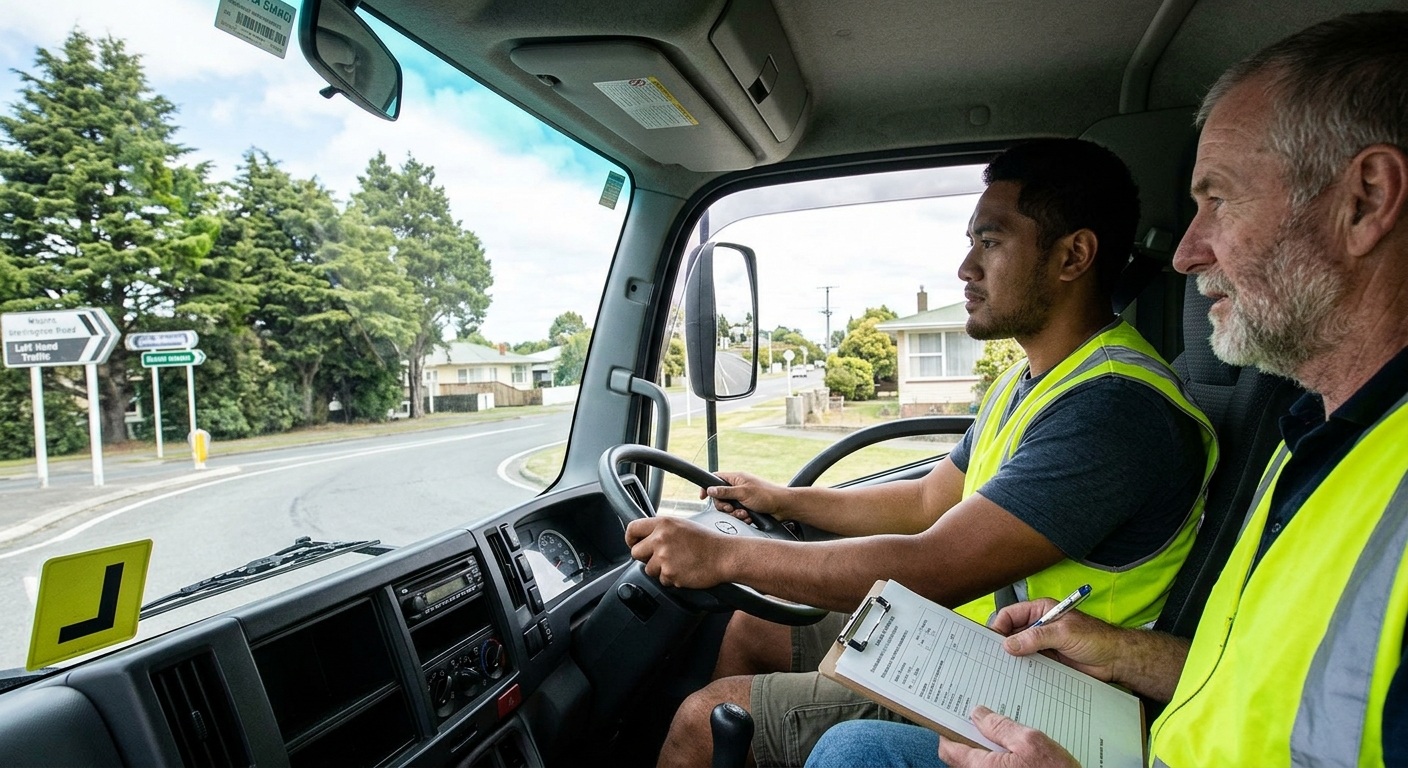
Competency and certification. Where a role requires a licence, ticket or endorsement, the document needs sighting and the expiry date recording. An expired certification is both a safety issue and a compliance one, and it is the single most common cause of a worker being turned away at a site gate.
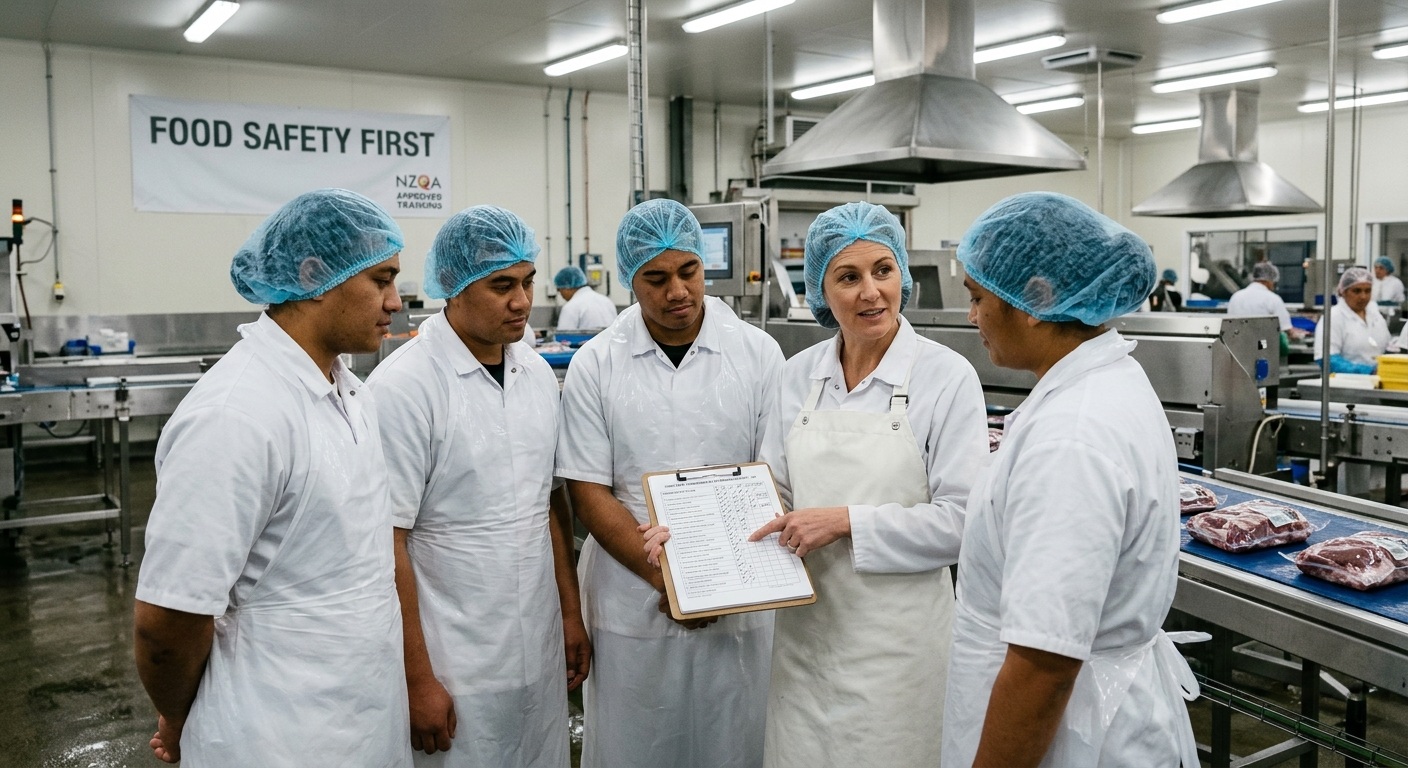
Screening is built into our placement process rather than offered as an extra. Every worker we put forward has been through skills assessment, reference checks with real supervisors, certification verification, right to work confirmation, and drug and alcohol testing where the client site requires it.
Because we are the employer, that work is complete before anyone reaches your gate, which is a large part of why our labour hire recruitment solutions can move quickly without the standard dropping. Our article on the true cost of a bad hire explains what the alternative costs, and the recruitment process: what to expect walks through our steps in order.
Drug and alcohol testing is lawful when it rests on a reasonable written policy, a genuine health and safety justification, and proper privacy handling. Health checks should relate to the role's physical demands and nothing else. Reference checks need a real supervisor and behavioural questions. Right to work and certification verification are not optional, ever. Decide your standard by role, build the time into your hiring plan, and do not let urgency remove the steps.
This is general information, not legal advice. If you would like to know exactly what we screen for before a worker reaches your site, send us a recruitment enquiry.


Our mission is to deliver unparalleled service, tailored to your unique recruitment needs. Trust us to find the right people for the right results.